
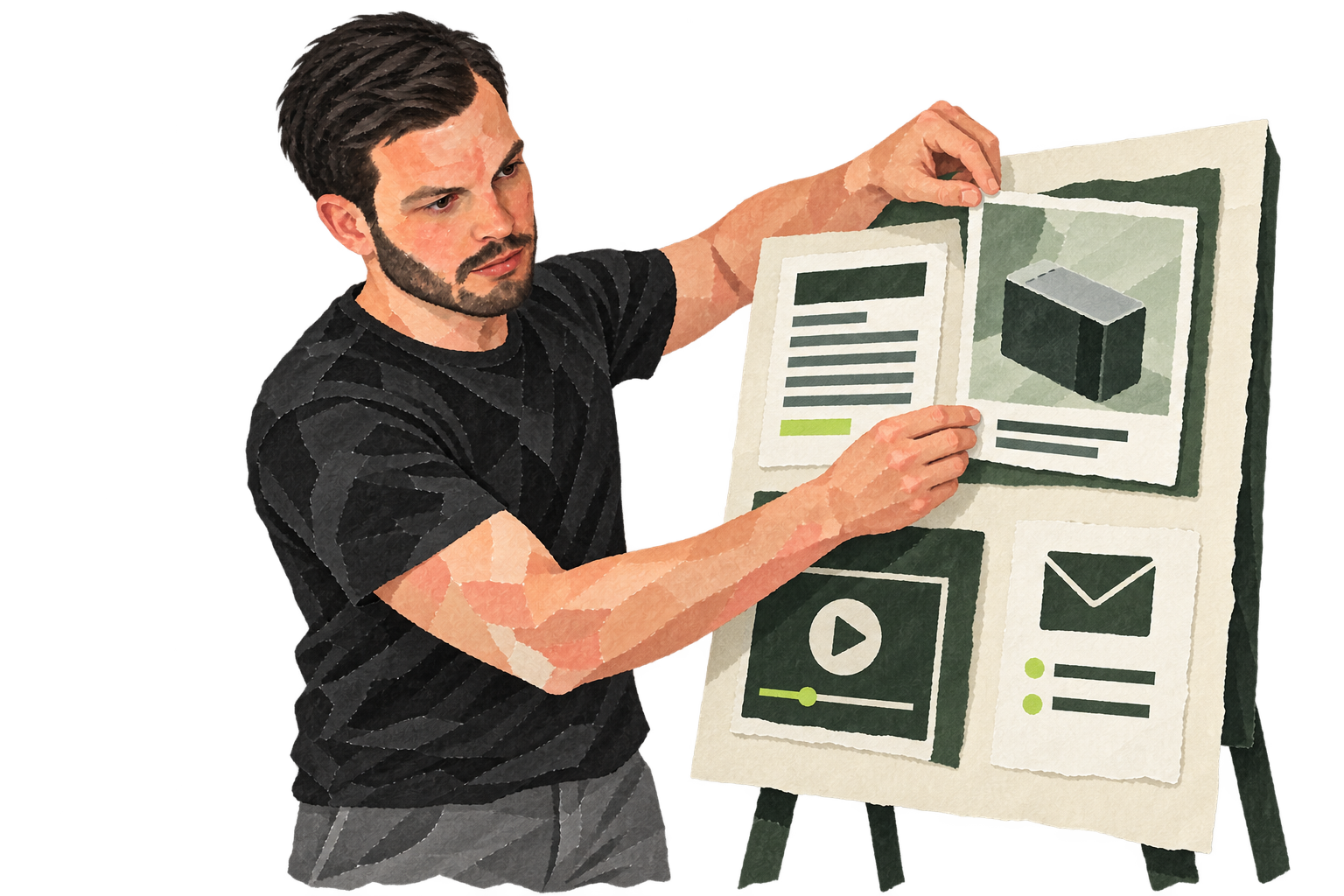
In 2010 I observed that press releases were often sent as Word or PDF files. Recipients had to open the text, request images separately and sometimes hunt for a contact person. PR.co offered another approach: publish the story on a press page and share the link.
Make the release useful
The format alone cannot make a story newsworthy. Start with what happened, why it matters to the intended reader and who can answer questions. Include facts that can be checked. Add images or video when they clarify the story, with clear captions and usage rights. A journalist benefits more from usable material than from an impressive but vague presentation.
An online newsroom can keep releases, media files, background information and contact details together. PR.co still describes newsrooms as a core part of its platform. The old offer of free signup and payment per release is not current pricing advice. Check today's terms before selecting any service.
Measure without overclaiming
A web page can show whether people visited the link and where they came from. A page view does not prove that someone read the release, let alone published it. Track questions received, resulting coverage and whether the story reached the intended audience as well as visits.
For a small organization, a well-maintained press page on its own website may be enough. A specialist platform is more useful when several people collaborate on publishing, media contacts and reporting. The lasting point of my original tip is to give journalists one clear, current place for everything they need about a story.