
In my early article about Mailchimp, I was struck by how easy it was for a small business to start email marketing. Visitors could sign up through a website, after which you could send messages, create groups and review results. The prices and free limits I mentioned then have changed. The underlying workflow still matters.
Start with the reader
Tell people what they will receive when they sign up. A mailing list is not a collection of addresses you happened to find. Recipients need a reason to want your message and a simple way to unsubscribe. The Dutch ACM explains the applicable anti-spam rules; check them before launching a campaign.
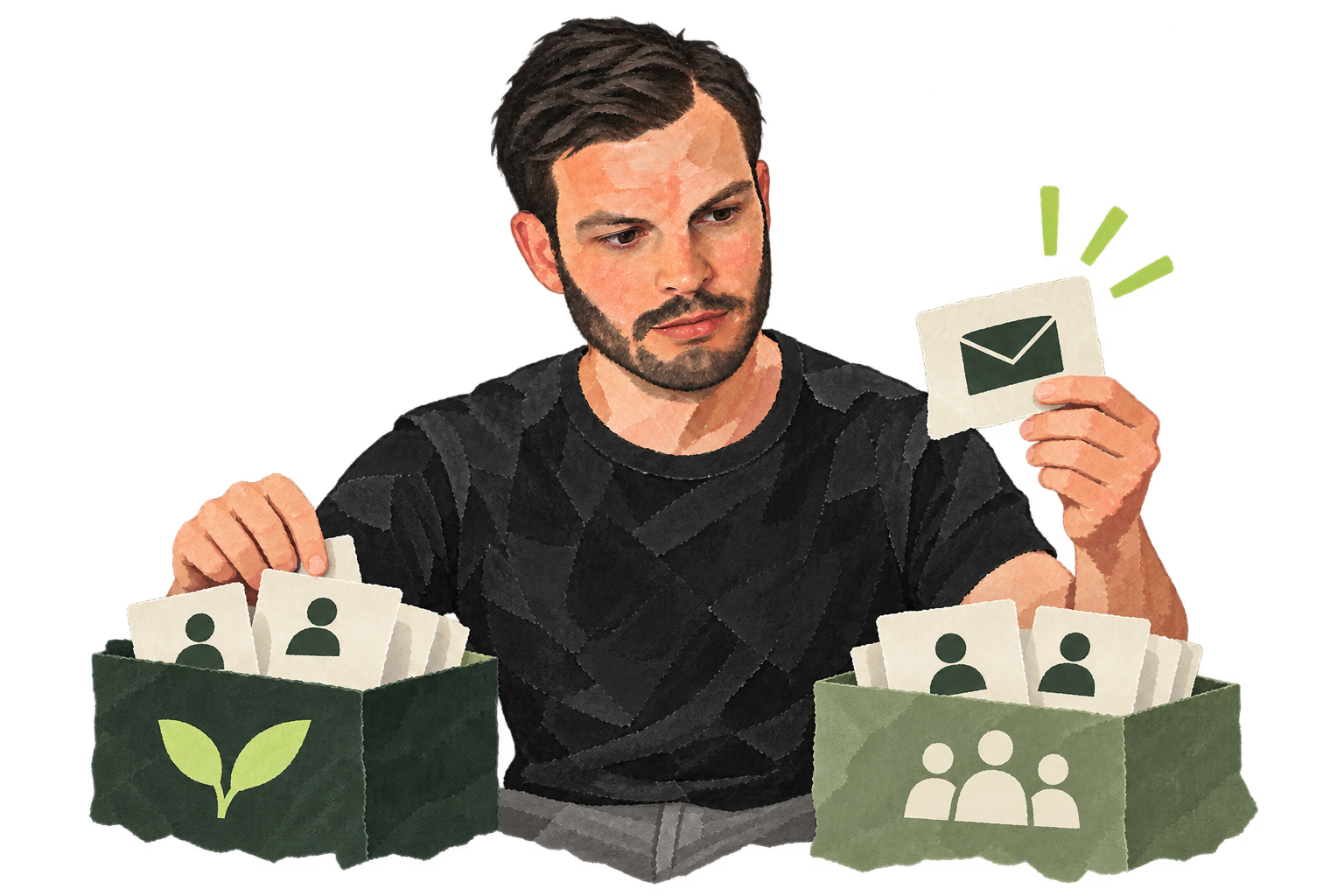
You can then record preferences or characteristics within your list. Mailchimp explains how groups, tags and segments can help you send relevant messages to different contacts. That is more useful than automatically sending the same offer to everybody.
Measure with judgment
Mailchimp's reports include deliveries, opens and clicked links. Use those numbers to ask which content helps readers and where they lose interest. A click is not an end in itself. For a small newsletter, a clear answer to a real question often matters more than a complicated campaign.