
After almost two years of lower-back pain, I began to see recovery through the lens of time preference. Progress meant choosing a long-term approach, even when I wanted immediate relief.
When repeated setbacks leave you stuck in a cycle of back pain, you face a choice about what to do next.
That idea resonated with me when I watched a video by Low Back Ability, who spent years dealing with lower-back pain and now teaches others about recovery.
He describes two paths: avoidance and building evidence that your back can handle more.
The distinction shapes how you train and, over the next year or two, how your body may adapt.
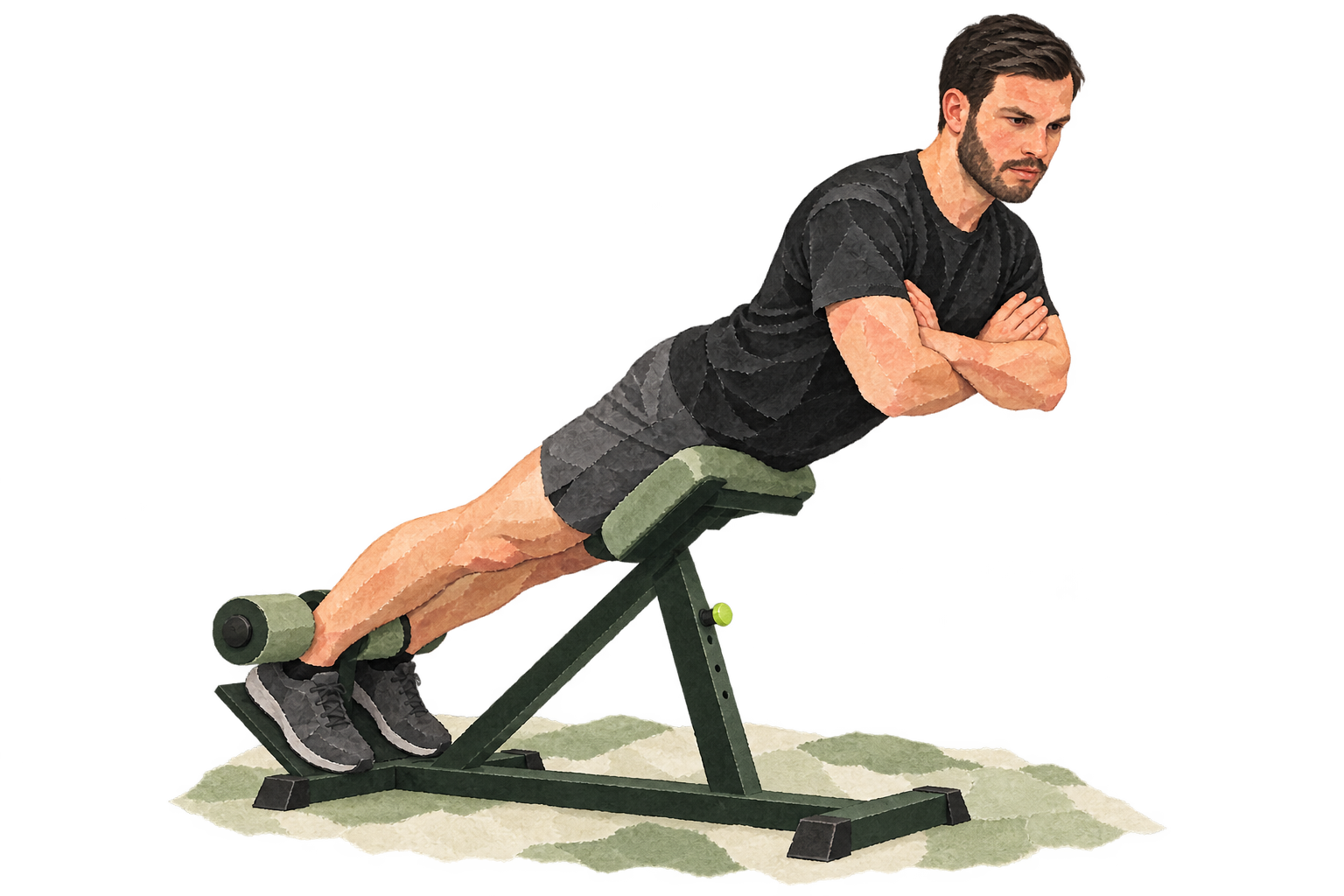
Low Back Ability posts striking videos of challenging movements, such as weighted back extensions and Jefferson curls. It’s an honest approach that captures attention and genuinely reflects his own journey.
But there's a big caveat: the most dangerous exercises for the spine can also be the most powerful for healing—if done at the right dosage. The challenge is finding the right dose for your current capacity.
Most people lean toward avoidance, finding it hard to see another way. But understanding the difference between avoidance and evidence is crucial—you cannot simply “go for it” without a plan. That could set you back.
Avoidance may provide short-term relief, but it limits you in the long run. Think of putting an arm in a cast: if left there for years, it becomes weak and useless. Similarly, keeping the spine rigid neglects its natural movement, which is essential for joint health. Avoidance convinces you the danger is external—a bad chair or a poor mattress—when, in reality, the issue is internal: your back may become less capable of handling ordinary movement.
I was the midwit in the meme for a good chunk of my lifting career. I'd thought Dr. Stuart McGill's approach was the final word on the issue. Slowly being exposed to more of the literature and also picking up wrestling/BJJ meant I needed to re-examine my priors. It turns out… pic.twitter.com/1MhzI0ij8F
— Cromenockle (@TheCromenockle) October 23, 2024
On the other hand, evidence-based training gradually strengthens your back, building resilience and trust over time. Gradual exposure to challenging movements can help you build strength and confidence.
For me, the choice is between retreating from movement and gradually rebuilding what I can do. With patience, week by week, you can reclaim control over your back’s health. Choose your mindset and plan wisely for the next two years—will you avoid risk, or build a foundation for a stronger back?
The Low Back Ability program offers a solid roadmap for getting started, with an interesting business model: you decide the price yourself.
Avoidance favors short-term comfort; gradually building capacity asks for patience.