
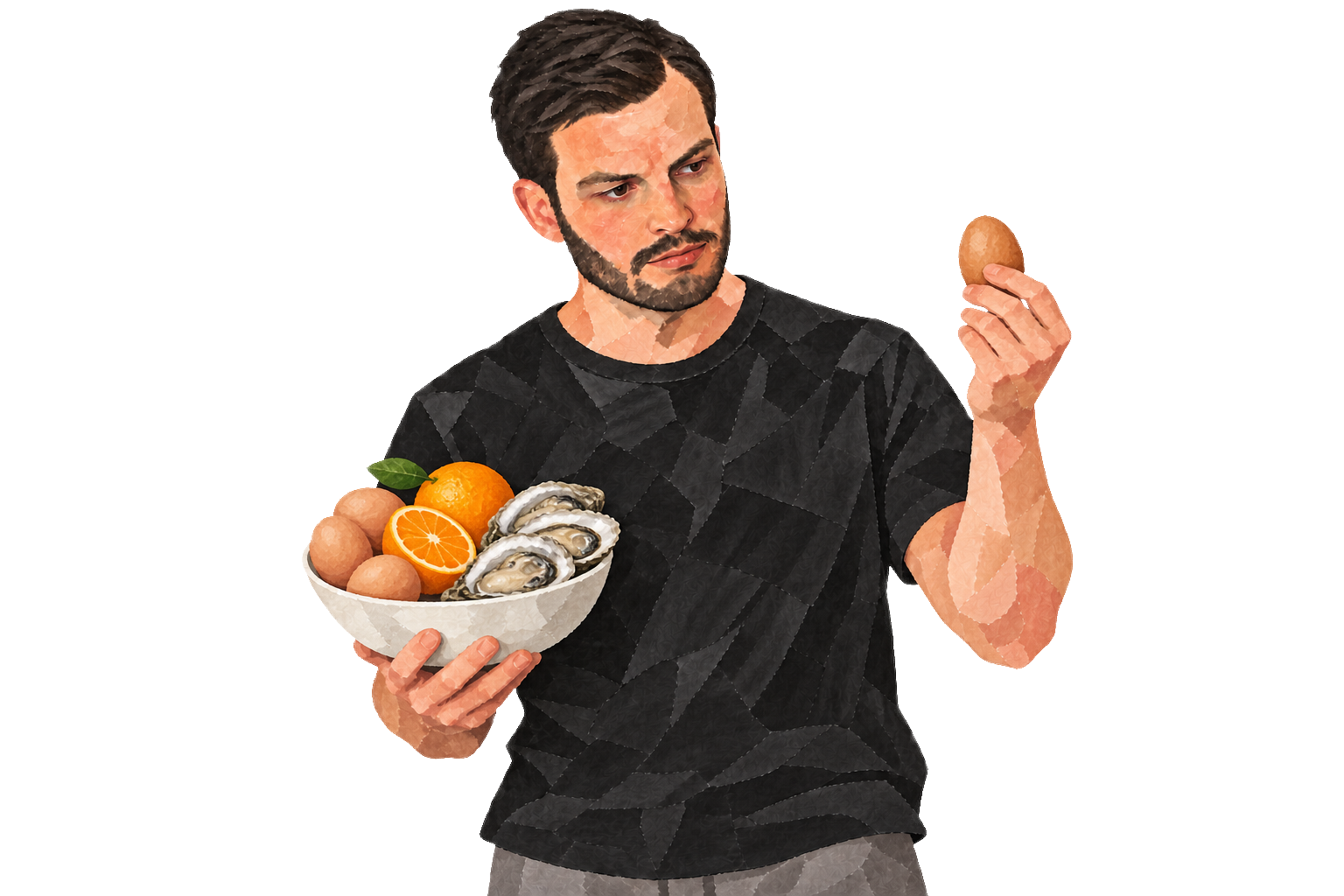
Different people respond differently to foods. If you often experience headaches, digestive trouble, joint pain, fatigue, bloating, or brain fog (among many others), food may be one factor worth examining. Keeping track of symptoms may help you spot patterns.
I used to think occasional symptoms like these were normal. You probably did, too. Then I realized that not everyone experiences them in the same way. I began to wonder whether some of my symptoms might be linked to foods I ate.
The book The Inflammation Spectrum taught me that people can respond differently to foods, just as they respond differently to medications.
Medication is one way symptoms are treated, but I wanted to explore whether changing what I ate might also help me. That led me to try a via negativa.
https://twitter.com/GRITCULT/status/1195745328034701313
Symptoms
The book emphasizes that possible triggers and symptoms can vary from person to person. Inflammation is part of the immune system’s natural defense response.
The author Will Cole sets out a wide range of symptoms of inflammation, divided into seven categories:
- Brain
- Brain fog
- Depression
- Anxiety
- Concentration problems
- Poor memory
- Overall feeling of unwellness
- Digestion
- Constipation
- Flatulence
- Diarrhea
- Stomach pain
- Bloating
- Belching
- Heartburn
- Detoxification
- Overall uncomfortable feeling
- Overall painful feeling
- Rashes
- Blood sugar
- Metabolic syndrome
- Prediabetes
- Type 2 diabetes
- Hormones
- Thinning hair
- Dry skin
- Weak nails
- Mood swings
- Low sex drive
- Musculoskeletal
- Joint pain
- Muscle pain
- Joint stiffness
- Fibromyalgia
- Immunity (the more advanced stage)
- Celiac disease
- Inflammatory bowel disease
- Multiple sclerosis
- Rheumatoid arthritis
- Thyroiditis
- Skin conditions
The book begins with a quiz and then suggests removing eight food groups to look for possible triggers.
Foods
The food pyramid we were all taught does not capture how differently people can respond to foods, in my view. I wanted to look more closely at grains, dairy, oils, and sugar in my own diet.
Those four groups are the book’s starting point for an elimination trial. It suggests four more groups for people with more persistent symptoms.
The groups are:
- Grains
- Bread
- Rice
- Pasta
- Flour
- Corn
- Oats
- Quinoa
- Beer
- Dairy
- Milk
- Yoghurt
- Butter
- Ice cream
- Cheese
- Creamer
- Sweeteners
- Table sugar
- Corn syrup
- Honey
- Maple syrup
- Sugar alcohol
- Artificial sweetener
- Vegetable oils
- Corn oil
- Soybean oil
- Sesame oil
- Sunflower oil
- Grapeseed oil
- Cottonseed oil
- Safflower oil
- Linseed oil
- Legumes
- Lentils
- Black beans
- Kidney beans
- Peanuts
- Soy
- Nuts and seeds
- Almonds
- Cashews
- Hazelnuts
- Walnuts
- Pistachios
- Pecans
- Sunflower seeds
- Pumpkin seeds
- Sesame seeds
- Flax seeds
- Eggs
- Whole eggs
- Egg whites
- Nightshades
- Tomatoes
- Peppers
- White potatoes
- Eggplant
- Goji berries
Cut it out
After completing the quiz, you get an indication of where the book places you on its spectrum. In Cole’s framework, a score above 15 suggests more significant symptoms. He also discusses conditions such as celiac disease, irritable bowel syndrome, and multiple sclerosis.
My score was 37, with the highest marks in the musculoskeletal and digestive categories.
Cole recommends removing all eight groups for eight weeks, then adding them back one by one to look for patterns in your response.
Because I’m bulking right now (and I’m stubborn), that approach does not fit my life, so I decided to do it differently. I'm now cutting out one group at a time, for four weeks each.
I have just avoided grains for a month and will try dairy next, as I suspect those two groups the most. Afterwards I'll try legumes and nuts. I had already stopped eating added sugar and vegetable oils, so I am leaving those out of this experiment. Depending on how it goes after those four months I will maybe try eggs and nightshades, too.
Here is my log of what I noticed:
- Grains:
- After cutting out for one month: Much less joint pain, which I had experienced for years. It still appeared on some days, but I noticed a difference.
- After adding back in rice: Joint pain returned within a day (knees, elbows, wrists).
- After adding back in sourdough bread: No noticeable effect.
- After adding back in pasta occasionally: A noticeable increase in joint pain.
- After adding back in beer: Joint pain everywhere, bloating, digestion problems.
- Conclusion: Reduce my grain intake substantially. Cut out rice, flour and pasta. Sourdough bread is fine. Not more than one serving of grains a day. Eat more fruit for carbohydrates. Choose wine rather than beer when I decide to drink alcohol.
- Dairy:
- After cutting out for one month: I did not notice a difference during the month.
- After adding back in Greek yogurt: More stomach pain, belching, and nausea.
- After adding back in cheese: More stomach pain, belching, and nausea.
- Conclusion: Reduce my dairy intake substantially. Occasionally eat yoghurt and cheese. Eat more meat, eggs and fish for protein intake.
- Legumes:
- Cutting out for one month at the moment.